
Case Study: IT Modernization Success for Hospital Systems with Centered Networks
Introduction to IT Modernization in Healthcare
In today's rapidly advancing technological landscape, healthcare systems must continually evolve to meet the demands of modern medicine. One standout example of successful IT modernization is the partnership between Centered Networks and a leading hospital system. This case study explores how Centered Networks transformed the hospital's IT infrastructure, ensuring enhanced efficiency and patient care.
Challenges Faced by the Hospital System
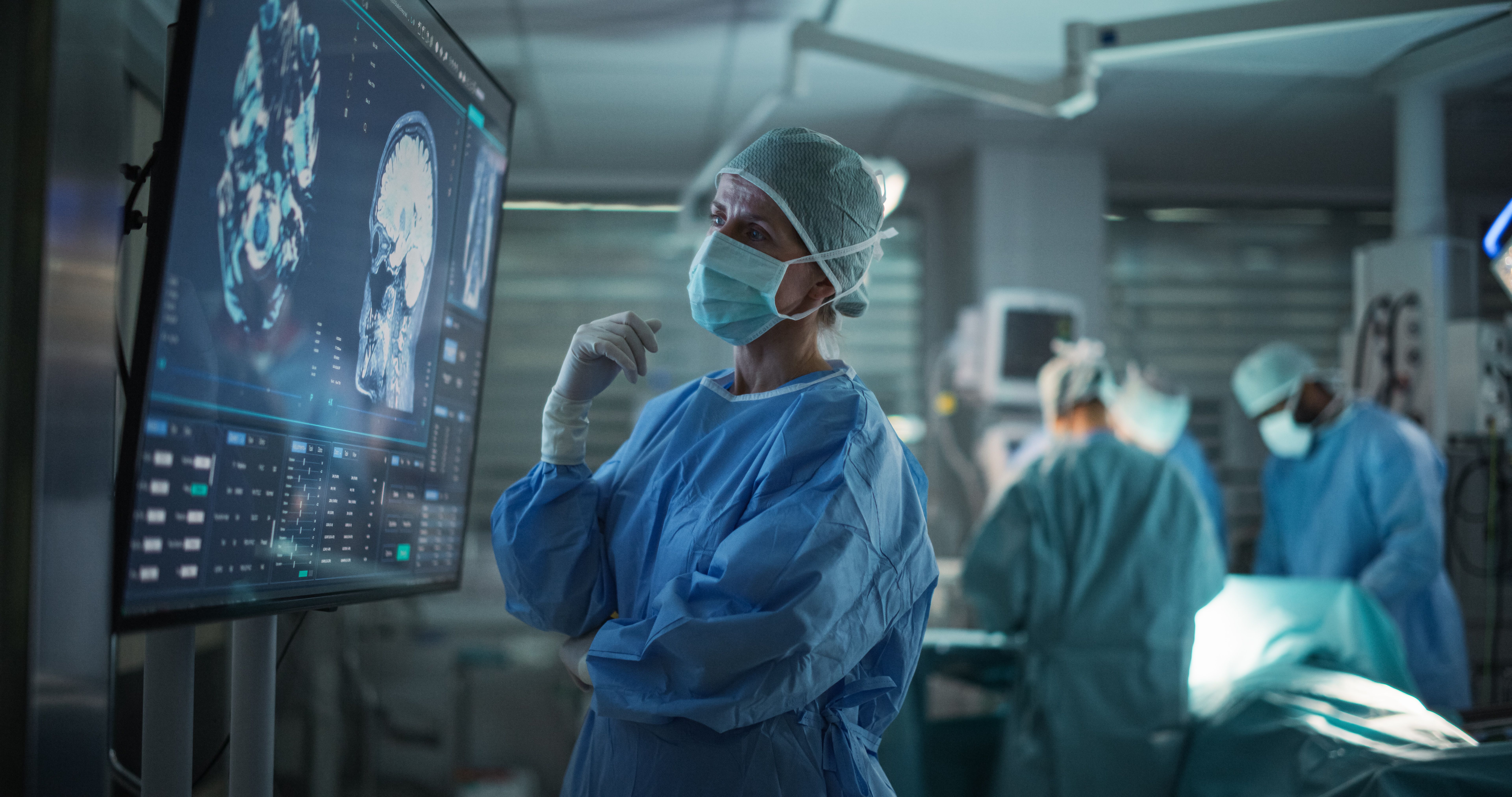
The hospital system initially faced several challenges. Their legacy IT infrastructure was not only outdated but also struggled with data management and security issues. This resulted in inefficiencies, increased operational costs, and potential risks to patient data privacy. Recognizing these challenges, the hospital sought a comprehensive solution.
Identifying Key Areas for Improvement
Centered Networks conducted a thorough assessment, identifying critical areas for improvement. They focused on:
- Upgrading legacy systems to more robust, scalable solutions
- Enhancing data security measures to protect sensitive information
- Streamlining processes to improve operational efficiency

Implementation of Modern IT Solutions
The implementation phase was crucial for the hospital's IT transformation. Centered Networks employed a step-by-step approach to ensure seamless integration of new technologies. They prioritized minimizing disruptions to hospital operations during the transition.
Adopting Cloud-Based Solutions
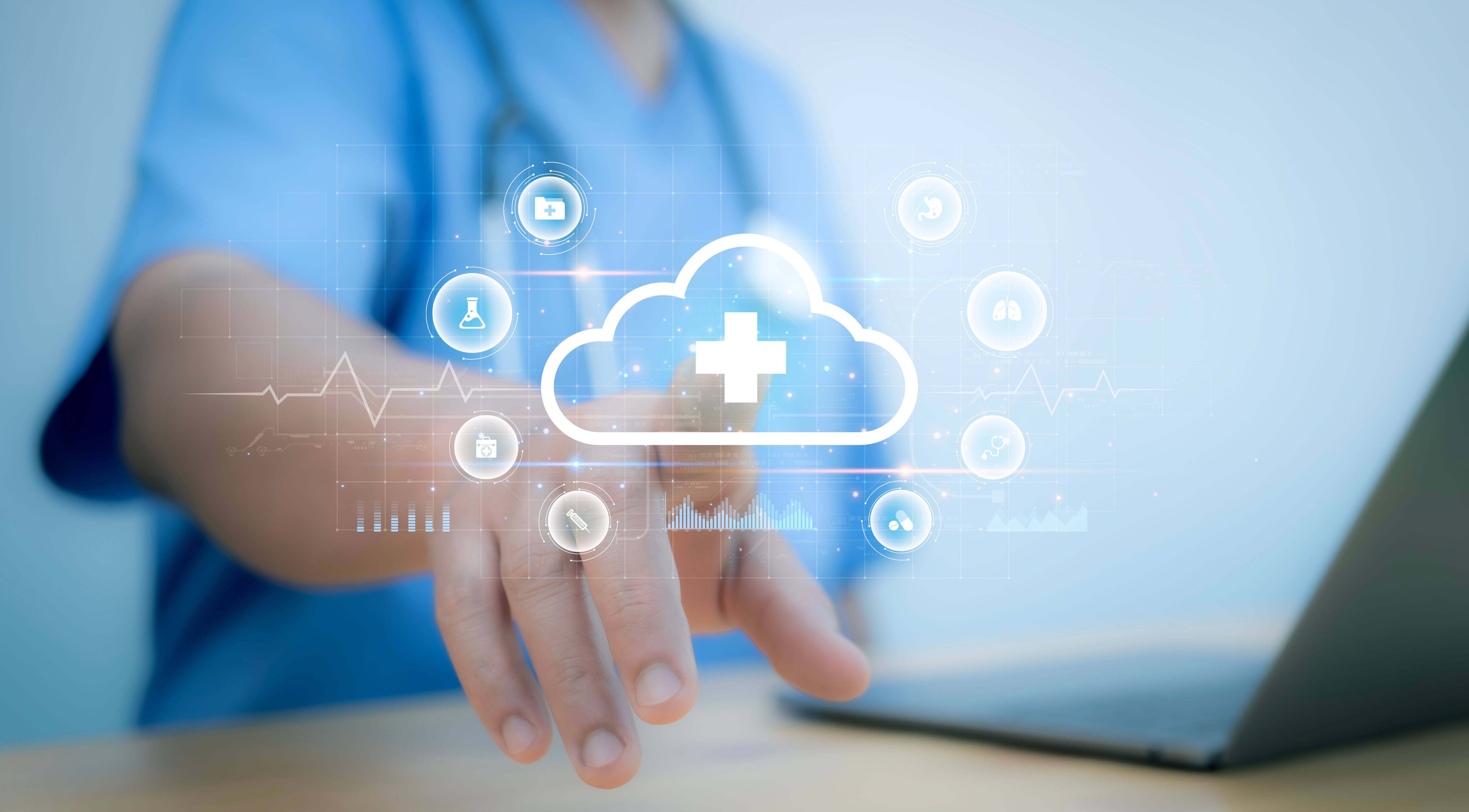
One significant change was the shift to cloud-based solutions. This move provided the hospital with greater flexibility and scalability, allowing them to easily adapt to changing demands. Additionally, cloud solutions enhanced data accessibility and collaboration across departments.
Outcomes and Benefits
The results of the IT modernization were transformative. The hospital system experienced a marked improvement in operational efficiency, reducing downtime and streamlining workflows. Enhanced data security protocols also safeguarded patient information, building trust and compliance with healthcare regulations.
Improved Patient Care
Perhaps the most significant benefit was the impact on patient care. With improved IT systems, healthcare professionals could access necessary information swiftly, leading to quicker diagnosis and treatment. This ultimately resulted in better patient outcomes and satisfaction.
Conclusion: A Model for Future Success
The collaboration between Centered Networks and the hospital system serves as a model for other healthcare organizations looking to modernize their IT infrastructure. By addressing key challenges and implementing forward-thinking solutions, hospitals can enhance their operations and provide superior patient care.
As technology continues to evolve, ongoing IT modernization will remain essential for healthcare systems to stay competitive and effective in meeting the needs of their patients and communities.